
Statistica
Learn and practice identifying statistical questions, measuring variability and making predictions from sample data with interactive resources from GeoGebra.
Middle School
GRADES 6-8
Confrontare distribuzioni di dati
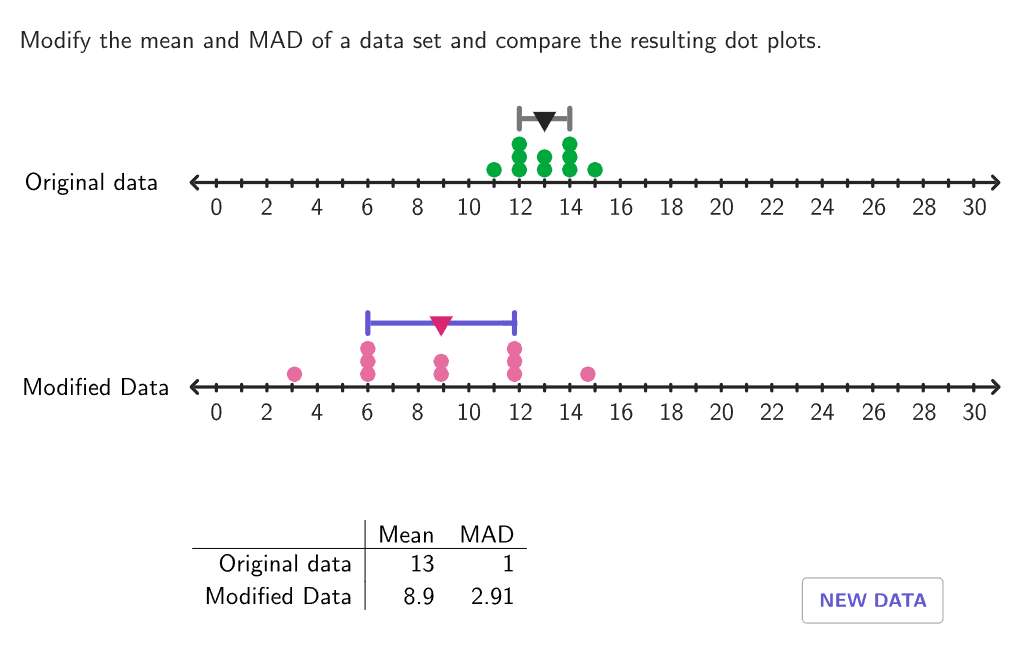
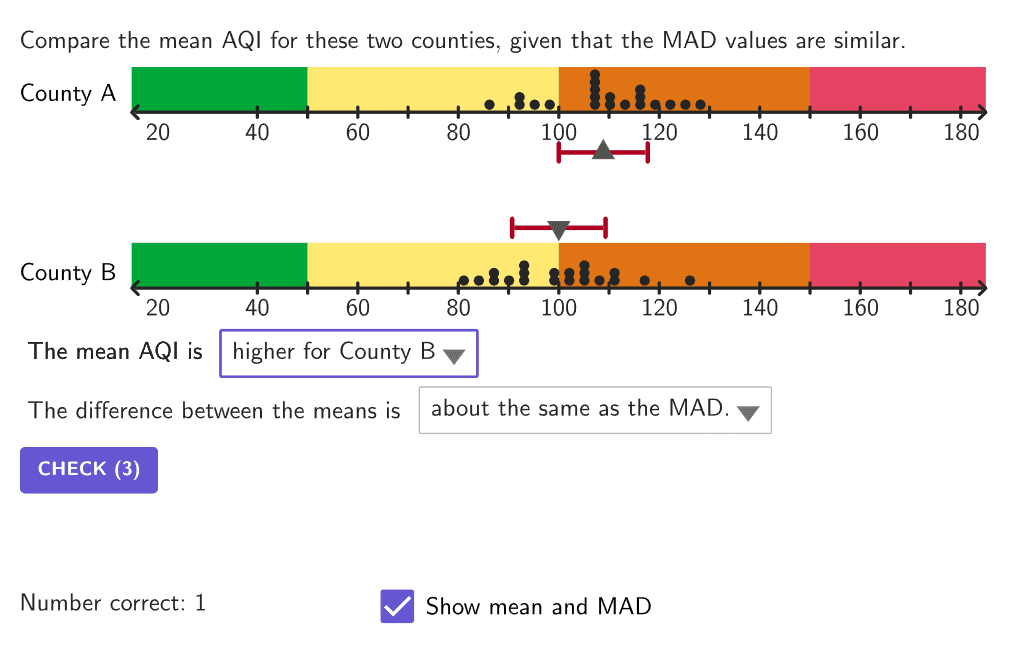
Compare data and distributions of data, numerical and contextual, to draw conclusions, considering the measures of center and measures of variability.
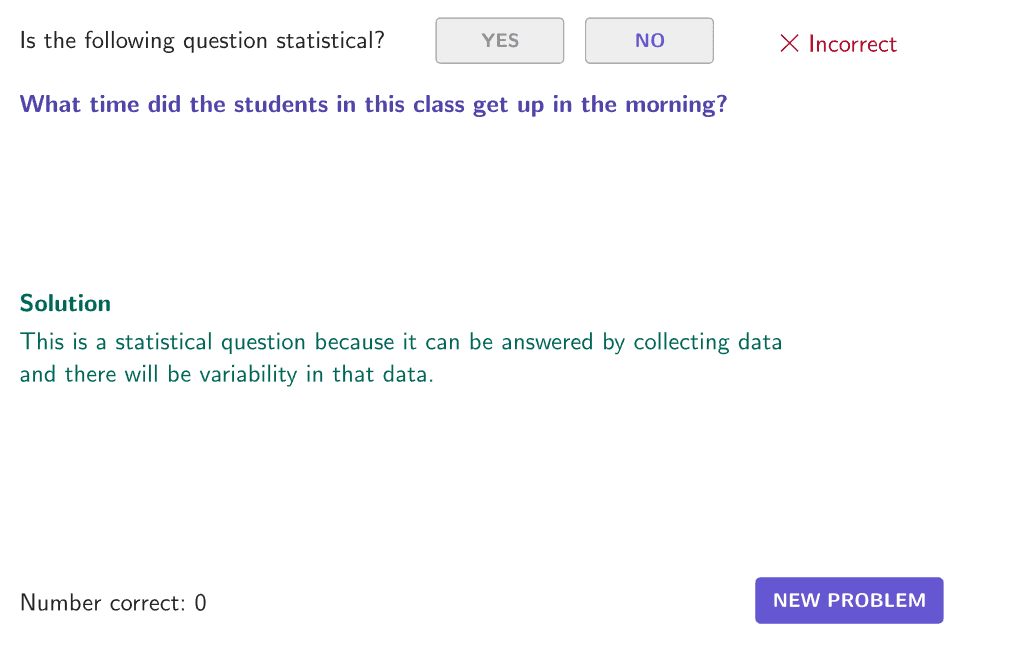
Identifying Statistical Questions
Recognize that a statistical question is one that will require gathering data that has variability.
Inferenza statistica basata su dati campionari
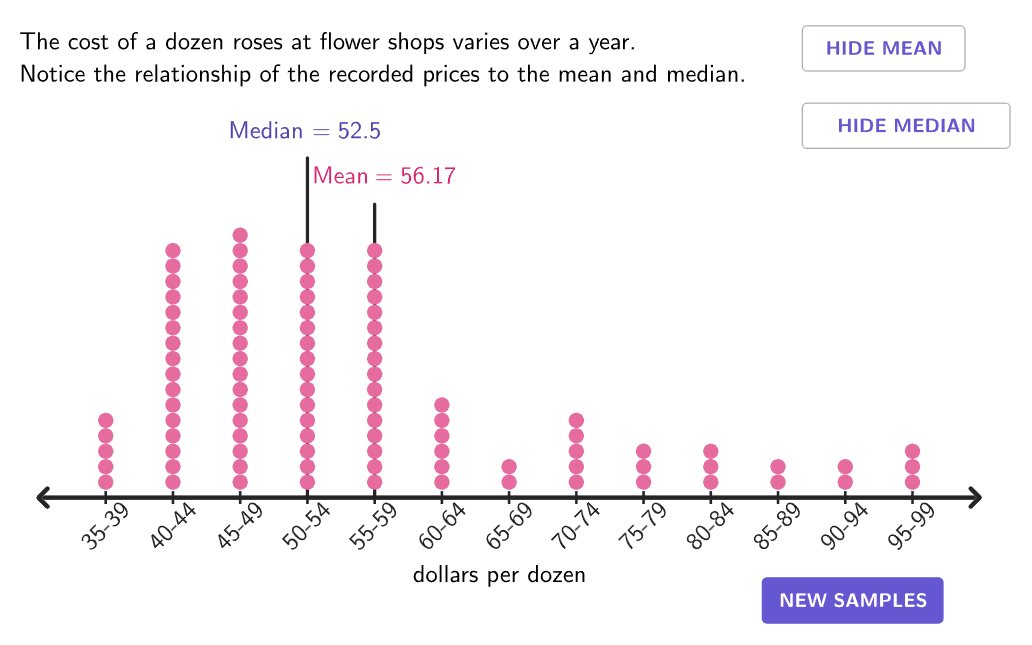
Make inferences about a population based on a sample and compare variation in multiple samples.
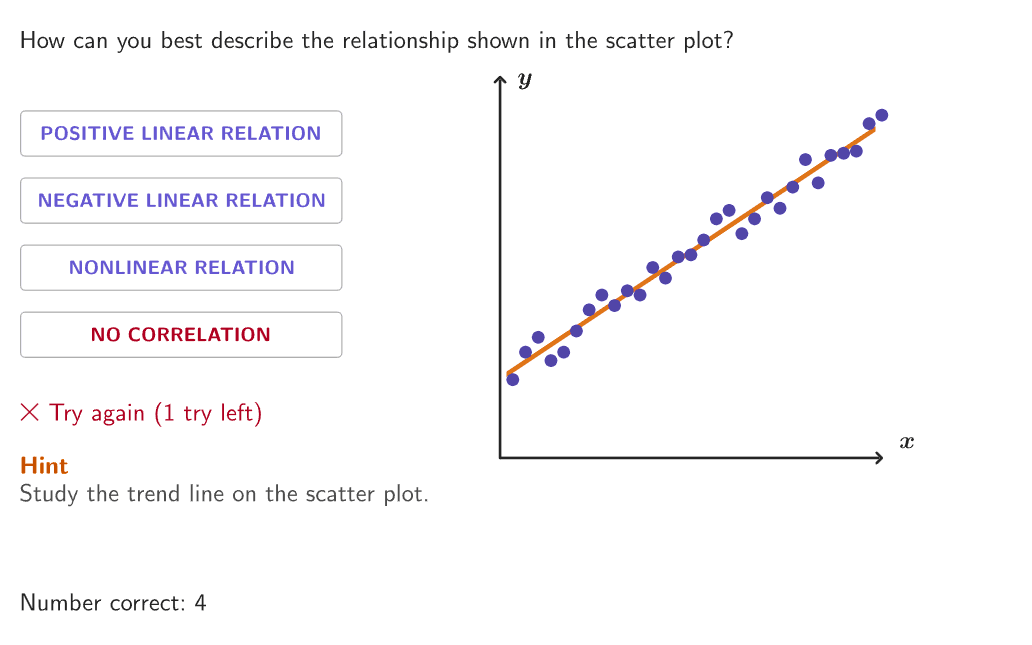
Relazioni lineari e non lineari in un insieme di dati
Identify linear and nonlinear relationships in data sets.

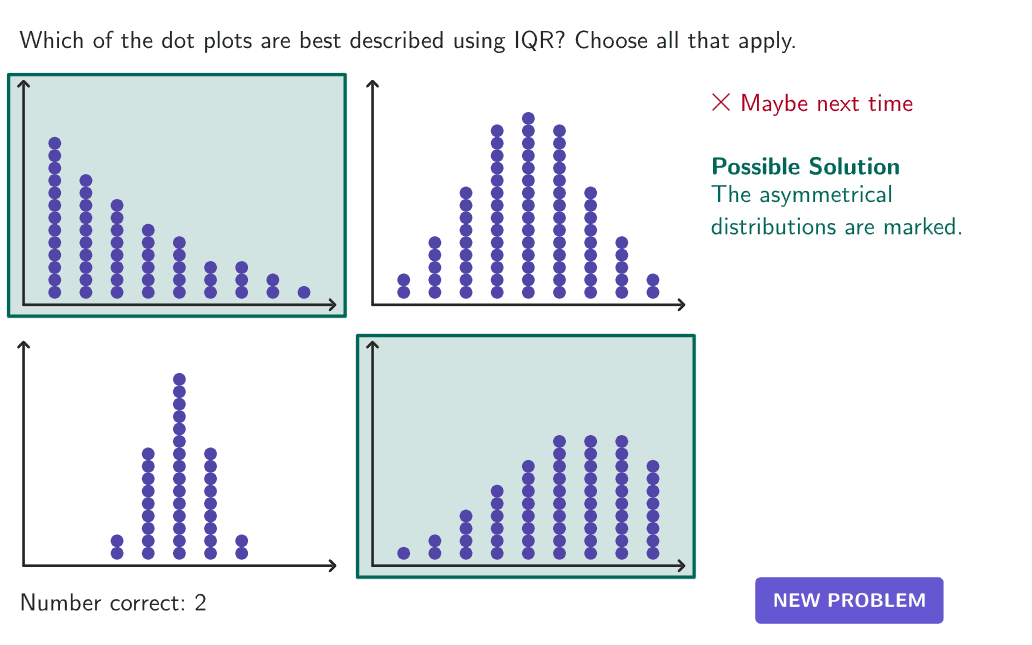
Misure di variabilità
Select the appropriate measure of variability; choose a measure of variability based on the presence of outliers, clusters, and the shape of the data distribution.
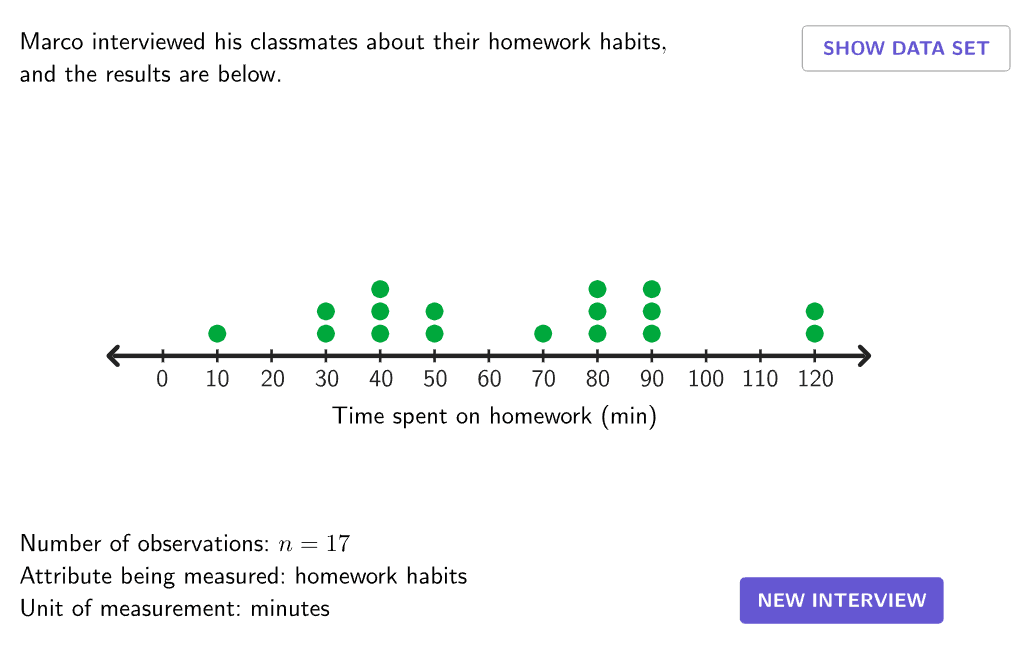
Osservazione, misura e campionamento
Describe a data set by its number of observations, what is being measured, and the units of measurement.

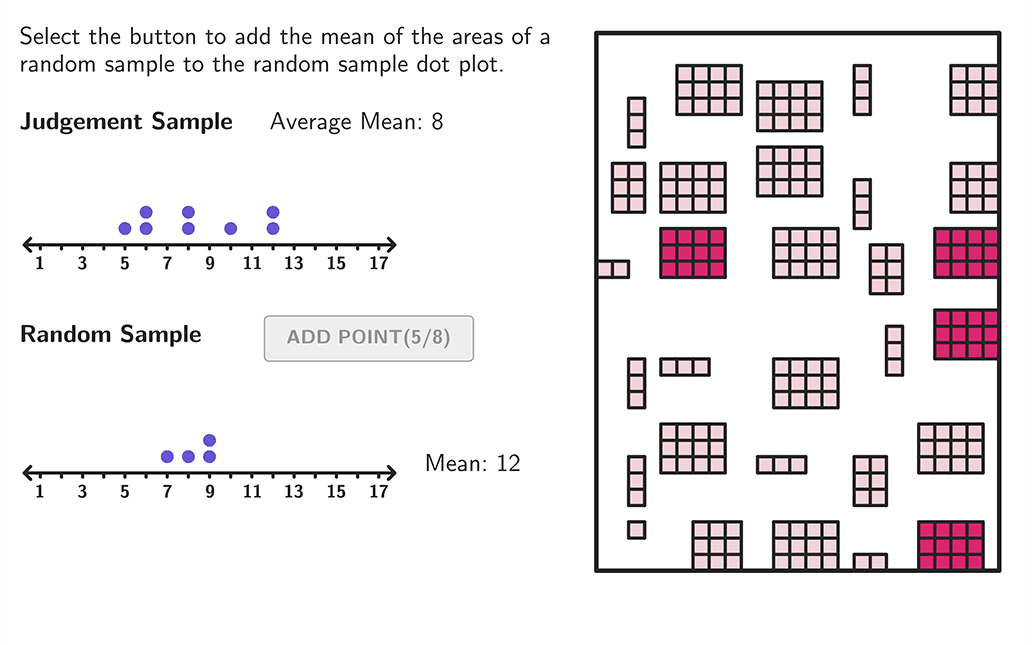
Popolazione o campione?
Distinguish between a population and a sample and draw conclusions about the sample (random or biased).
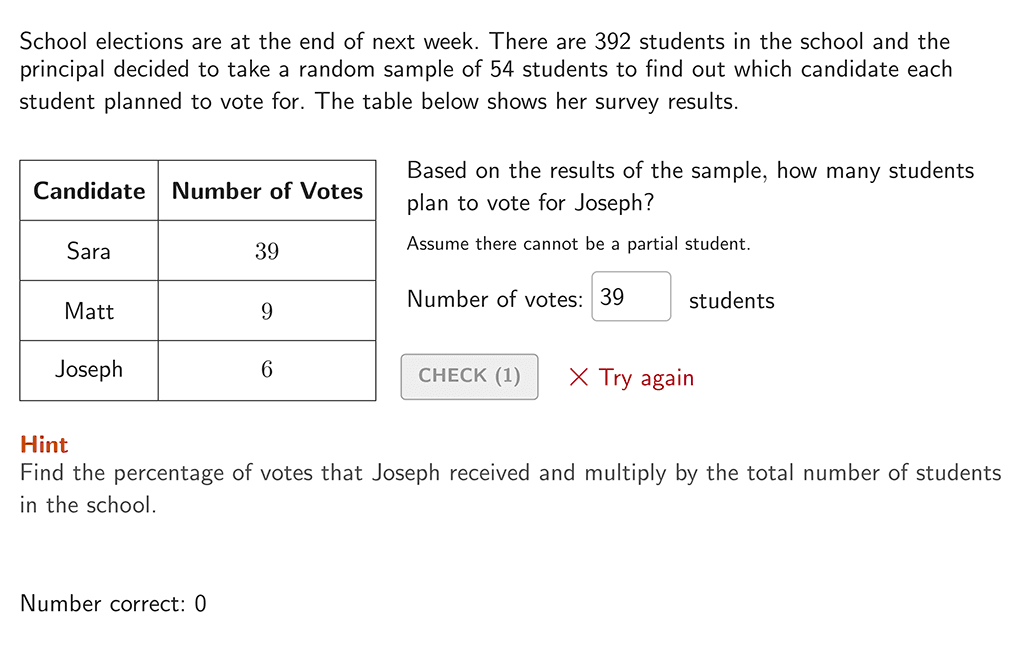
Previsioni basate su dati campionari
Make predictions based on results from surveys and samples.
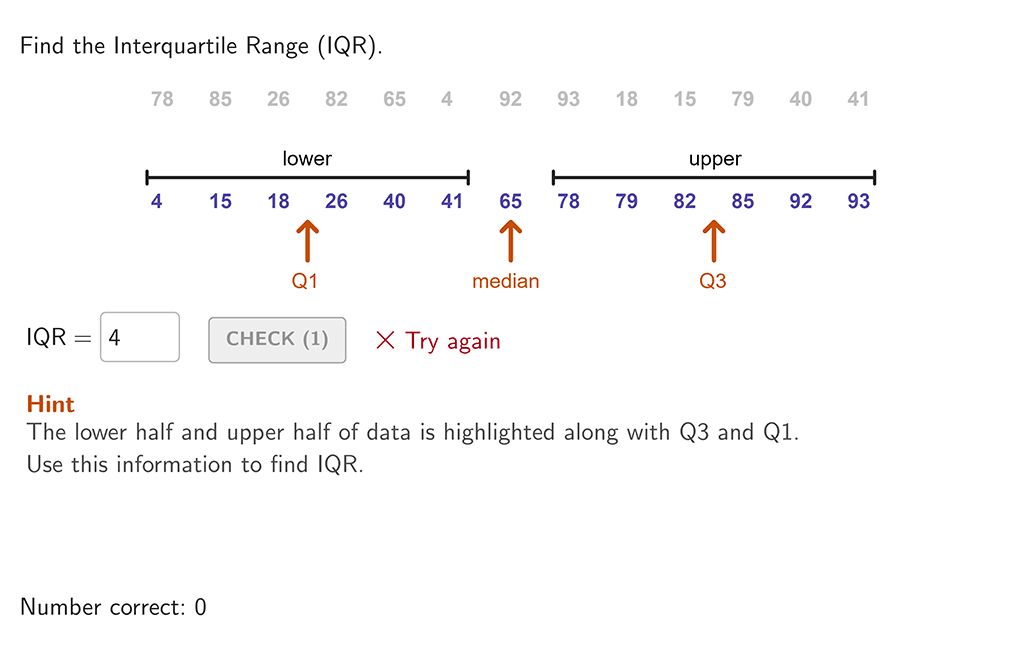
Quartiles and Interquartile Range of Data
Determine the quartiles or interquartile range for a set of data.
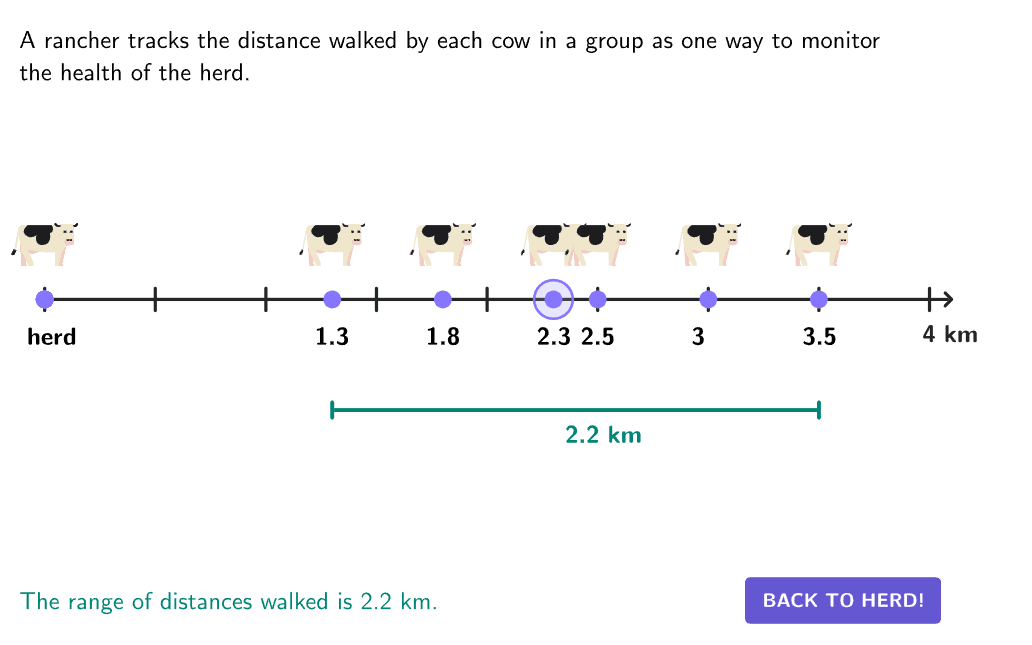
Campo di variazione di un insieme di dati
Describe data using the range.
Teoria degli insiemi
Use set notation to describe domains, ranges, intersection, and union of sets. Identify cardinality of sets, equivalent sets, disjoint sets, complement, or subsets.
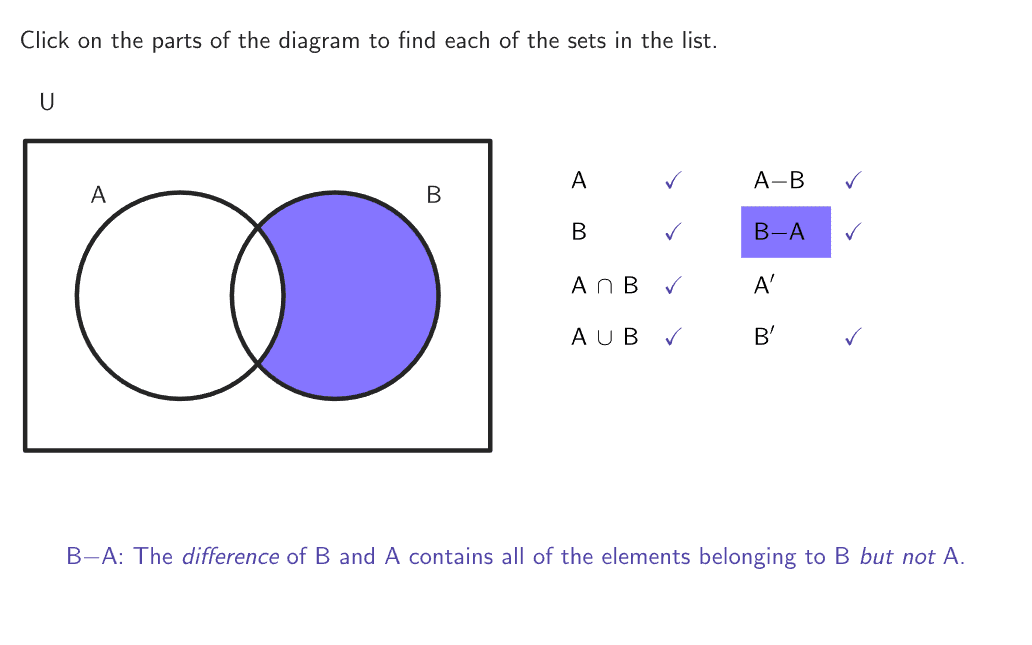
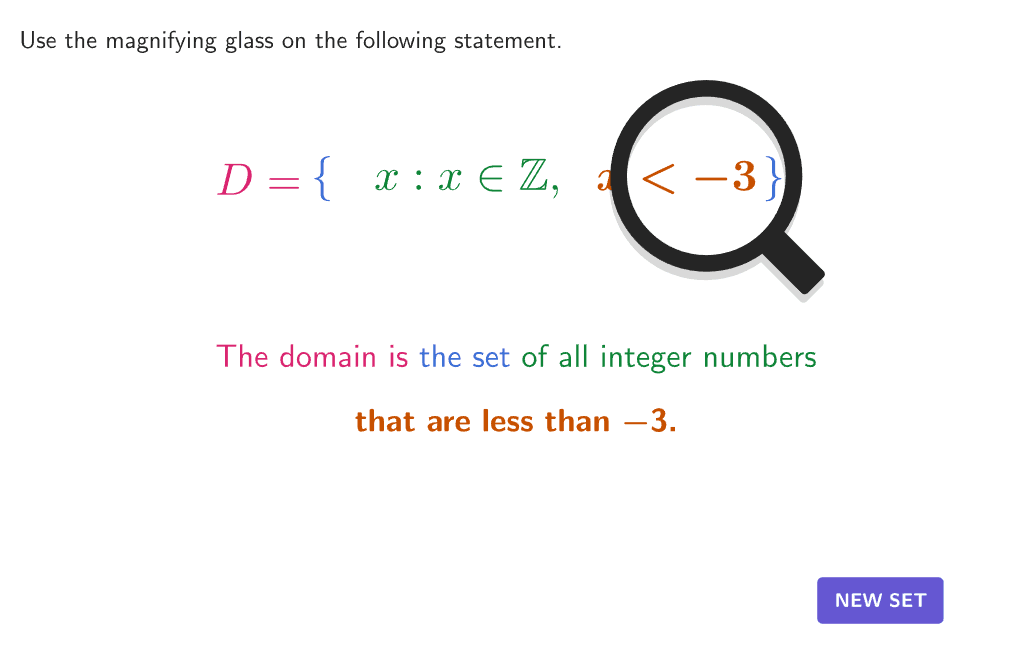
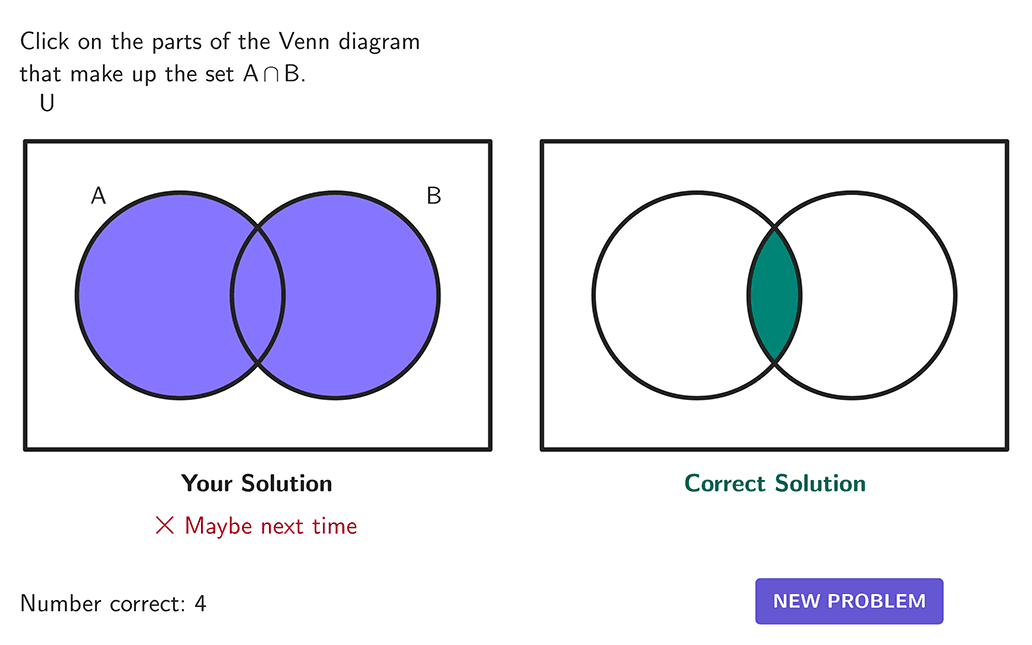
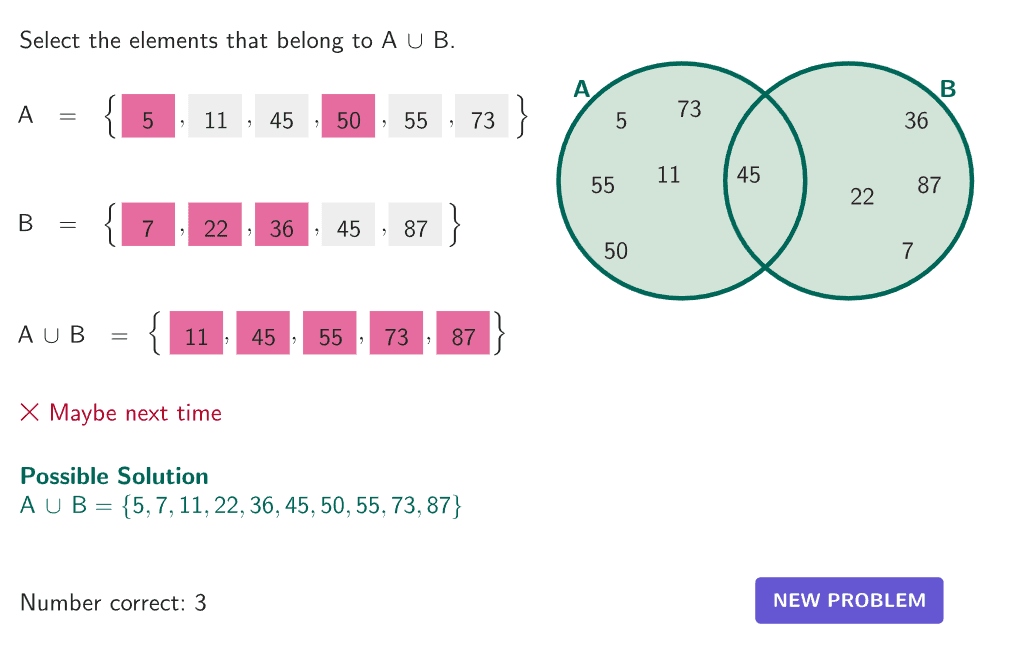
Tabelle a doppia entrata
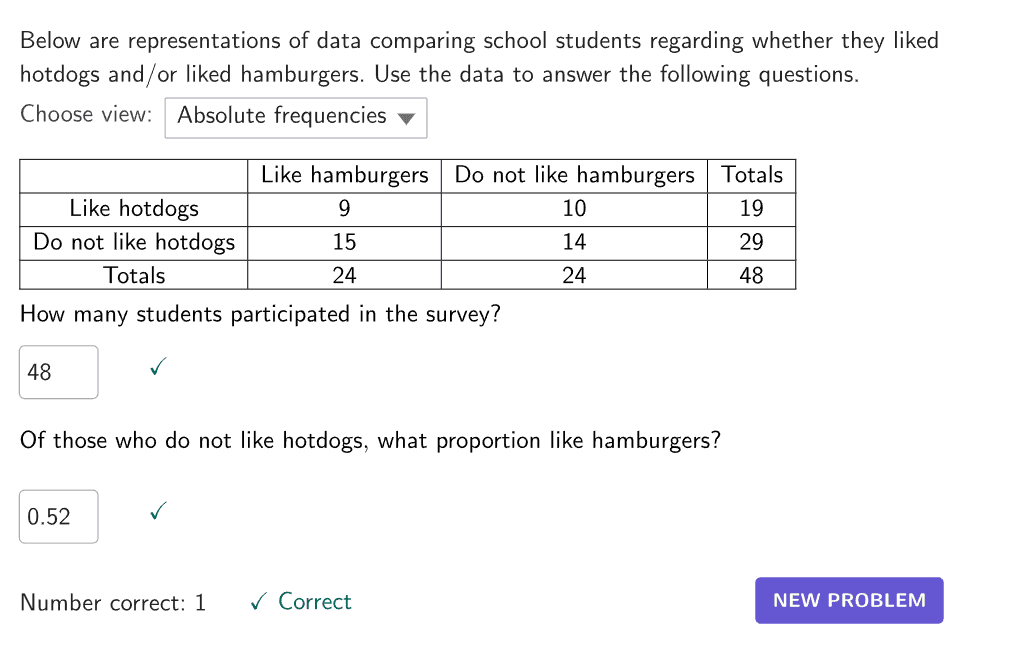
Construct and interpret a two-way table to display two categories of data from the same source.
High School
GRADES 9-12
Coefficiente di correlazione, correlazione e causalità: differenze ed esempi
Use models to make predictions and interpret the correlation coefficient of the model; distinguish between correlation and causation.

Rette di regressione
Derive a linear equation that models a set of data (line of best fit) using calculators. Use the model to make predictions.

Argomenti correlati


Materiali della comunità
Esplora una collezione di più di un milione di attività, esercizi e lezioni per la matematica e le scienze, create con passione e attenzione dalla comunità globale di GeoGebra. Immergiti nelle infinite possibilità che ti aspettano.

Inizia a utilizzare GeoGebra ora
Crea un account gratuito che ti consentirà di salvare i tuoi progressi in tempo reale, oltre che garantirti l'accesso a migliaia di materiali per la matematica, che potrai personalizzare e condividere.